
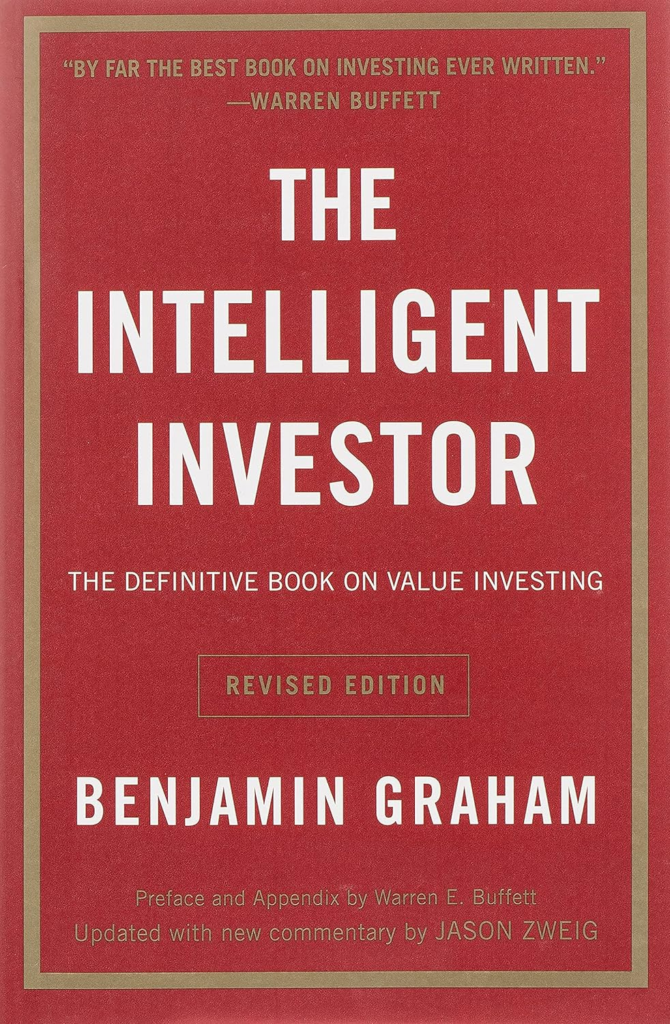
To achieve satisfactory investment results is easier than most people realize; to achieve superior results is harder than it looks.
– Benjamin Graham.
A lesson in financial wellness

You vs You
We finally made it to the final finance meditation. This is where everything comes together. Lately, my content has been suppressed harder than usual. It’s a shame, because this one could help a lot of people. Ultimately, it is my intent to help you learn how to pick a stock. I’m not teaching any secrets; besides, if I had one, I wouldn’t just give it away like this. I wouldn’t teach you the secret if you paid me. In fact, nobody would; and anyone who claims they can is planning on robbing you blind. There is no secret way to beat the market. Have there been a few lucky speculators who’ve managed to do so? Yes. But for one lucky speculator there have been millions of unlucky ones. Your chances of beating the market is literally one in a million. Worse actually. You can’t beat the market, but you can hitch a ride. All I want is for my readers to have a little more money than they already have. With that, my job would be done.
You don’t have to be wildly intelligent to be a competent investor. But you cannot be foolish. Much of what we have to talk about today is about what not to do as an investor. But rest assured that I will pass on a few sound strategies before we conclude. Get comfortable, because it’s going to be a long drive. But as an investor you should have all the time world, no? I have repeated this numerous times over the course of this page; and even now, especially now, I must warn you of the difference between gambling and risk management. Slow the fuck down. Yes, investing could make you rich, wealthy even; but it’s not going to happen overnight. This is a fantasy of most traders, and only a few of them actually live it out. We aren’t talking about trading, and I wouldn’t feel right encouraging trading as it is speculation based and most of us already live quite humbly. Rushing would only make your situation worse. If you invest in a company, it must be for the long haul.
If you invest in a stock without any research, you are speculating. Speculators will not know if they are purchasing a stock for a good price. Speculators will also end up selling prematurely and often at a lower price than what they got it for. A speculator would fall sucker to the ever changing market trends pushed out by influencers and the media. Just like a traditional gambler, speculators tend to go broke in spectacular fashion. We must be better than them. Speculators lack the emotional discipline required of an investor. To be emotional is to be dangerous. Especially when it comes to your portfolio. When it comes to stock selection, giving in to the hype could leave you holding the bag. Freaking out when a stock price lowers might blind you to an opportunity. Reaching a decision to invest in a stock should’ve taken you days if not weeks of research. And one must check periodically of any troubling news regarding the company. A lowering stock price shouldn’t send you running for the hills, it should prompt you to inquire about what’s happening.
Your best line of defense from speculation would be a tactic known as “dollar-cost averaging.” Dollar-cost averaging is basically setting a limit to how much money you invest and keeping to that limit every month. As a new investor, figuring out you dollar average is simple math. 5% of your monthly income. If you wish to invest more you would need to make more money, but even then you would not exceed 5% of your income. For those of you with a 401k, you’ll have even more room to play with, but be careful; this is your retirement money you’re playing with. This will gain momentum over time and it will help to minimize your potential losses. The dollar-cost averaging tactic also debunks the myth that you need thousands of dollars to begin investing. Smart investing is done a little at a time. Wall Street wasn’t built with gold, it was built with pennies.
Let’s talk about crypto currency for a bit. You are supposed to invest in what you understand correct? Personally, I do not understand crypto, so I choose to stay away from it. To me it seems that crypto currency is everything you don’t know about money combined with everything you don’t know about technology. I predict that the next great market crash will have something to do with crypto currency. Digital gold? What does that even mean? Also, the current scam that idiots seem to keep falling for typically involve some kind of shitcoin. Crypto currency is far too speculative for me to suggest. Have people gotten rich off of crypto? Yes. Could you get rich off of crypto? I don’t know, but I’m willing to bet you won’t. Is crypto worth the risk? Probably not. How small of a risk are we talking? I suggest no greater than 1%. If you are going to invest in something like bitcoin, do so only after you’ve built a respectable portfolio. If you are a rookie, stay away.
A sound investment will grow in value by at least 5-7% each year. Smaller companies might grow a little faster if they show promise. But you shouldn’t expect any of your stocks to shoot up in price. Not if business is stable. It happens sure, but that’s not what you are looking for. If you’re doing that, you are speculating. What you want to know is if the company can withstand the test of time. Being an investor isn’t about buying stocks. You aren’t just buying a stock. You are supporting a business. You are helping to shape the economic landscape. Investing is a big deal, and decisions should not be made on a whim. That is how money gets wasted. Research is what makes the difference between investor and gambler. The more research you do, the less speculative you become. This is not to say that speculation isn’t somewhat needed when picking a stock. When people speculate it effects the price of a stock. The stock market wouldn’t be what it is without speculation. But you should do it as little as possible.
If you can remain calm you could capitalize on the volatility by selling high and buying low. If you absolutely must take part in the hype, just realize what you are doing. Any speculation cannot take away from your actual investments. Any stake you’ve placed into a speculative gamble cannot match what you’ve invested into any serious component to your portfolio. If you have a little extra money to place a bet then by all means, take a shot at speculation. Have a little fun with the market and see what happens. You might win, you most likely will not. But as long as the vast majority of your portfolio is actual investing, then why not roll the dice?
Before we continue let’s recap. I want to make sure you get this down, so I’ll summarize everything so far. The market is not a casino, you shouldn’t expect to make any fast money. If you are impatient, you are not an investor. You don’t have to be a genius to be successful in the stock market. You could be the smartest man in the world and still fuck your money up. That’s actually happened before, look up Sir Issac Newton’s experience with South Sea. Einstein ended up blowing most of his money as well. There are 2 main distinctions between an investor and a gambler: the amount of research they do before making a decision, and how much money they use in one move. To protect yourself against your own speculative nature, never invest too much money at one time and take a few days to do quality research. Don’t just follow the hype. You must be stronger than the hype. It’s the only way you’re going to make it. If you haven’t figured it out by now, your financial wellness is heavily dependent on your spiritual fortitude. If you are emotional, you are dangerous. You will eventually destroy yourself. Oh and stay away from crypto.

What’s the point?
Investing is easier than you think. But so is losing money in the market. Every move you make needs to be calculated or you could set yourself back big time. But if investing is so risky, then why should you invest at all? I’ll tell you why, because inflation is a bitch. Inflation essentially shrinks the dollar. When that happens, you need more of it to get by. Inflation affects anything with a price tag. The cost of living increases. Wages eventually rise and eat up the profits. Companies start going further into debt. Inflation occurs because America needs money. You can count on inflation in any given country to increase at least 1% each year. It’s rare if it exceeds 6% but you can expect roughly a 3% annual inflation increase in the United States.
To achieve average results depends on the rate of inflation. If inflation is high, the average investor might not do so well. Instead of expecting a 5-7% increase, it might shrink to 2-3%. Those not as skilled will suffer even more. They might even lose money. There is roughly a 20% chance that any given stock you’ve picked will be unable to keep up with inflation. But even a 5% chance of death would be too high. This is why we maintain an even spread among our portfolios. When it comes to outpacing inflation, the new investor might wonder if stocks may outperform bonds. The answer to that question is not always. If inflation is creeping up, it’s probably wisest to reallocate any singular stocks into a well-diversified index fund and a few treasury bonds then wait it out.
There are other ways to invest that are more resistant to inflation such as buying gold, or collecting art, and real estate. But I haven’t gotten along to doing anything like that, so any information I give out would just be me talking out of my ass. Perhaps in a future update I will have enough experience to expand on these avenues. No matter how high inflation rises, you must maintain an even spread in your portfolio. Bonds function as a barometer when times are uncertain. If your yield is decreasing, focus more on index funds. If the yield increases, then focus on building your savings and put more money into your treasury bonds. To keep up with inflation you will have to increase your dollar average each year. The easiest way to accomplish this without offering up too much of your income is to reinvest your profit. Proper usage of your dividends will grant you better than average results.
Inflation will be a constant obstacle and it will affect you whether you invest or not. Choosing not to invest is basically refusing to fight for your future. If you do nothing but save your money, you will not be able to keep up. So start fighting back because this is a battle that will never end. Your children will inherit the fight. If not for you, then do it for them.

The basics
Index funds. Bonds. Stocks. What are those things? How do they function? Some of you might already know this stuff, but the rest of you might just have a vague understanding of the terms. Fear not, your education shall be thorough. Let’s start with stocks. When you purchase a stock, you become a shareholder which means that you have a stake in the company. You have a say. If enough shareholders demand something from the company then the company must do it. And this could be anything, you could demand that a dividend be paid out. You could demand a change in leadership. You could demand that they correct themselves in any way you see fit. Because they don’t want you to leave. They become smaller if you leave. It doesn’t matter if you hold a 20% stake or 2% or 0.02% the company will bend over backwards for you if you are a part of the collective voice.
Once you have invested in a company you have chosen to take an interest in how they do business. Only if your current assessment is worse than your previous assessment should you consider reallocation. If your trust in the company remains firm, then the lowering stock price becomes a fire sale you could advantage of. But no matter your decision, it must be yours and no one else’s. You must remain unafflicted and free of external influences when it comes to building your portfolio. Stocks that fluctuate due to hype tend to have a rebounding effect regardless of the direction. If hype drives up the price of a stock, it will eventually come back down. The same can be said about any stock that receives negative hype. Of course, a stock’s price could continue to rise or fall but the only way to know if it’ll work to your advantage is to do your own research. You must be familiar with the company as well as the industry and its place in the world.
Knowing the history of your prospective investment is only the first step to analysis. There’s no way of telling what might happen to a company in the future. When studying a company, you need to know every possible way it makes its money. You have to know exactly how the company grows. What sort of products or services do they sell? How many states has the company expanded into? How many countries? What’s in the works for these guys? Who are their target customers and how many do they deal with? Who do they sponsor? Who sponsors them? Do they have a competitive advantage in their industry? Take a look at the management. Look for any bad news in the current events or any periods of poor performance in the company’s history. How scummy are they? Is the leadership accountable? Or do they shift the blame as much as they can? What sort of promises do they make? Are the workers treated well? What do their customers think about them? What sort of value do you see? Take a look at the balance sheet and grade them on their performance. You shouldn’t see too much debt in comparison to how much they make. The growth should be steady and consistent each year. No large spikes, no drastic declines.
When you are reviewing a company’s financial reports, read them backwards. Usually, a company will tell you all the good things about them before telling you about the bad stuff you need to take into account. Spend your best energy covering the critical information first. Do not ignore the foot notes. Significant changes you might’ve missed will be spelled out for you there. You would want the summary before you went into further details anyway.
Bonds are a bit different from stocks. If you are purchasing a stock you are purchasing a piece of the company. If they win, you win. A stock is closer to adding a block to a structure where a bond is more like lending money to the company. Whenever you lend somebody money, you expect to be paid back with a little interest. But that doesn’t mean you have a say in what they spend the money on. Bonds are significantly less risky than stocks because you eventually get your money back. Most Bonds don’t pay as frequently as stock dividends but you can expect something like that in the form of “bond coupons” this is the money they pay directly to you each year as thanks for letting them hold a little something. At least until the bond reaches maturity and they must pay you back in full.
Relying solely on bonds to build your portfolio would put a definitive cap on your gains; but the tradeoff is that you wouldn’t be locked into holding your position the way a stock might get you. Though bonds are safer than stocks, I don’t recommend a 100% bond based portfolio. Instead I suggest a 50-50 distribution between stocks and bonds. Or perhaps 75-25 either way depending on how the market looks. Bonds are not immune to inflation and you may have to pay more for them while not getting much back. Or bonds might be selling really cheap and you could possibly outpace your stocks. Usually one side does better than the other, but proper diversification will mitigate losses on each side. No matter how much of your portfolio is dedicated to stocks you must ensure you are sharing stakes with companies with a solid history and a foreseeable future. And never exceed your dollar cost average no matter what you invest in. Bonds are important because without them, financial structures would crumble. Governments would crumble, so would businesses, and so would your portfolio. This why we reserve at least 25% of our investments toward bonds.
If you sense the market is getting dangerous, then build your savings and dedicate more of your resting capital towards strengthening your treasury bonds. Treasury bonds are the safest bonds you could buy because you can count on the United States to pay you back. If the U.S. were ever to default on a loan, that means we are in troubling times. Unless you’ve stacked up some “fuck you money”, I wouldn’t recommend a bond with a maturity that is longer than 12 months. You might not be able to go without your money for long term. For the enterprising investor, municipal bonds might be an option for you. Instead helping the treasury, you could help out your city instead. Or another city, it’s your money. Just know that municipal bonds typically carry longer maturity dates, and even though it’s a rare occurrence, municipal bonds can default and you’ll lose your money. But it’s tax free, so it’s worth a consideration for the experienced investor. Corporate bonds are the riskiest. A company is much more likely to default on your loan than your city or the country. You must be very careful when you lend a company money. You need to give them the same level of scrutiny as if you were purchasing its stock. if you see that a business isn’t managing their debts properly, don’t deal with them in any capacity. Also, corporate bonds are subject to both federal and state tax. So, the deal better be sweet.
Finally, we have the different types of funds you could buy into. You have the option of index funds, mutual funds, and exchange traded funds (ETFs). Owning a fund is like owning a pet. You wouldn’t just trade your dog every three years. Fortunately, this pet would be low maintenance. You would just need to feed it once a month. And after it gets big enough, it will eventually shit silver coins for you. First let’s cover the difference between a mutual fund and an index. An index fund is a collection of stocks meant to reflect any given industry. An index fund’s strength is in its diversity. The more diversified the index fund, the better it will perform. Mutual funds are similar, but I personally don’t like them. A mutual fund won’t necessarily outperform a well-diversified index; especially over the long term. And unlike index funds, mutual funds are actively managed and charge a monthly commission based on how much capital you have invested regardless of performance. The more money you put into the mutual fund, the higher the commission will be. I’m not saying not to look into them, I’m just saying make sure you pick a damn good one. If you do decide to buy into a mutual fund, don’t do so because you fell for a sales pitch. How would you know that you’ve stumbled upon a great mutual fund? First off, you need to make sure that the manager of the fund holds a majority of the stake. The manager must have more to lose than you. Next, check the price. Any mutual fund worth buying into will not cost you thousands of dollars to become a part of it. Make sure to check the exclusivity. A mutual fund that remains open to new investors indefinitely does not have your best interests at heart. And most importantly, they have to be hard to find. A good manager would only want participants who will stick around. They wouldn’t want the kind of people who are trying to get rich quickly. They aren’t looking for just anyone. So, you won’t find them randomly on social media.
Exchange traded funds (or ETFs) are also similar to index funds, and you’ll typically have an easier time finding a cheap ETF. Though finding an affordable index isn’t difficult, ETFs are more accessible and more liquid than index funds. You could put money into an ETF and then take it right back out, just like a stock. Index funds are not meant to be interrupted, so you are only allowed to deposit or withdraw once a day. Whichever is better depends on your situation. If you are a new investor, on your feet, but on a shaky platform, then an ETF wouldn’t be a bad start, just make sure it’s based on a good index. If you are a new investor, but are doing well, put your money into an index fund monthly and don’t sell any of it for at least 10 years if ever. The only time you would actually want to sell your index or ETF is if you believe something illegal might be going on. If you can no longer trust a fund, you are better off keeping it in a savings account until you can find a better one. Meanwhile, you’ll have plenty of money to put towards bonds. ETFs and indexes are so similar that they are practically the same, so you wouldn’t suffer any major consequences choosing one over the other.
Recap time. As an investor, you’ll have endless options to choose from between stocks, bonds, and funds. It is recommended to reserve at least 25% of your portfolio to high grade treasury bonds. If you choose bonds other than treasury bonds, make sure you are lending money to an entity that is low risk. Bonds are safer than stocks but typically underperform stocks over the long term. To increase your chances of success, you should diversify your stocks as best you can. However, if you are a beginner, it’s best to start your portfolio off with an index fund or an ETF. Mutual funds are typically not recommended, but good mutual funds do exist. The good ones are just in the minority. There are bad indexes as well, but it’s easy to check if you found one worth your time. Just check how diversified it is. Search for an S&P index or an ETF based on one.

The passive investor
Before we talk strategy, I want to give a stern warning to new investors. When it comes to the market, everything you do must be carefully considered. Even when it comes to the broker you choose to deal with. Reputation means everything in the financial world. If a brokerage firm has a bad reputation or none at all, you shouldn’t bring your money anywhere near them. It’s the same way that companies and banks consider your credit score. So be selective with who you deal with. It shouldn’t surprise you that the market has its fair share of hustlers. So don’t work with just anyone.
As far as investing is concerned, you’ll have two paths laid out for you: aggressive and passive. The passive style will most likely be enough information for most of you reading this. This shit is hard and not everyone will have the experience, the freedom, or the stability required for the aggressive style. A passive investor doesn’t have to remain passive forever. The entire point of passive investing is to acquire all of those things. For that reason, we will focus on the passive investor first. For those believe you are ready for the challenges of aggressive investing, a lot of the information for the passive investor would still apply to you. It would be wise not to skip ahead. As a passive investor, your goal is to get your portfolio running on autopilot as soon as possible. Passive investing comes with the benefit of being relatively unphased by what goes on in the market. Like I stated previously, only 5% of your monthly income should be dedicated to your portfolio. Investing is a necessity, but it shouldn’t stress out your budget. But if only 5% goes to the stock market, then where does the capital for your bonds come from? From your old money. If bills are already paid months ahead of schedule, if you have money just sitting there, then start cycling it into treasury bonds. Little by little each month if you can spare it. This is a wise use of old money because if its just sitting in your savings account, it is shrinking due to annual inflation. Might as well grow your savings if you can to make up for that. Don’t purchase a stock just because you see that it pays out a dividend. First you would need to check how long the company has been paying out. You also must check if the dividends have ever been cut at any point in its history. But above all, you must be sure the company is healthy.
A stock’s performance relies on 3 factors. How much money the company is making, inflation, and the public. Stocks are bought and sold every day for various reasons. If the stock gets hyped it will raise the stock and temporarily make it overpriced as more people buy in. The high rollers who wish to cash out while the stock is in demand will drive the price back down. Stocks are riskier but have proven to perform better in the long term compared to bonds. As a passive investor diversification is still important. But you wont have to go as crazy as your aggressive counterparts. You need a minimum of 10 stocks. 30 would be too many for you if are trying not to care about the market. Each stock you purchase, you should have an equal amount of money invested in each. Each stock you pick must show you a conservative amount of capital on their balance sheets. In other words, you want the kind of companies that aren’t going out of business any time soon. And the company must have a long history of reliable dividend payments.
What type of investor you should be depends on how much money you can spare towards it. An aggressive investor would need to diversify his bonds as much as he does with his stocks. A passive investor would be better off sticking to treasury bonds. If buying bonds is too much for your meager savings account, then opt into bond funds. Bonds funds are basically index funds but for bonds. They are significantly cheaper to buy into and pay out frequent dividends. A passive investor could use bond funds to gain momentum. It’s also not a bad option for the aggressive investor who is looking to bring in as much passive income as possible. Vanguard’s bond fund isn’t a bad option. Fidelity is about the same. They aren’t the only firms that offer bond funds, but they are the first ones to come to mind.
Diversification doesn’t count if all of your stocks are in one industry. What if the industry as whole takes a hit? It is advised by many people with much more experience than me to start your portfolio off by buying into index funds. Its quicker, cheaper, and safer than picking each stock individually. Index funds equate to instant diversity for your portfolio. Like Warren Buffet said, “Finding a good stock is a lot like finding a needle in a haystack. If you purchase an index fund, it’s more like buying the entire haystack.” And it comes with the added benefit of a computer working to keep the fund profitable on your behalf. That index fund will find all the stocks worth investing in for you, all you need to do is keep feeding it money every month.
As a passive investor, you can still try your hand at stock selection. As you mature, its recommended that you develop the skill. You would want companies with a long track record of dividend payments. But I suggest sticking within certain industries while you practice. The most recession resistant industries are anything that have to do with food and beverage, finances, transportation, or utilities. Foreign stocks can be evaluated the same as domestic stocks, but it is unwise to invest in foreign government bonds. You would have no legal action to take if they were to default. It is best to bet on the United States when it comes to government bonds.
Recap time. If you are a beginner, it is recommended that you invest passively for the first few years as you gather experience. You should be more concerned with keeping a stable budget than building a stellar portfolio. On top of that, I’m sure there are plenty of things in your life more important than money that need your attention. All you need to do is put 5% of your income into an index (or ETF) and dedicate a small portion of your savings into a bond fund. For most of you, that’ll be all you need to know. The longer you can keep it up, the bigger the dividend payments would be. The bigger the dividends, the better off you’ll be. Just focus on living your life. The next part is for those of you who might actually enjoy taking it to the next level.

Should you be aggressive?
You would be better off opting to be a passive investor if you are a single parent, if you work full-time, or if earn a modest income. Because you would be too weighed down by your obligations to safely increase your level of risk. Also, if you have never tried your hand at the market, you are better off starting out passively investing regardless of how much capital you have or how smart you think you are. The best investor is typically the last man standing. Not the man with the most money, not the smartest man, but the man who can retain his sanity longer than anyone else.
An aggressive investor must develop his instinct. In the same way an animal can sense the changing seasons, you must be able to recognize when you are in a bull market or a bear market. There won’t be any specific day you could mark on your calendar. There won’t be some bigass bull or bear sign. The shift is always silent. You would have to pay attention to the writing on the wall. What is your index showing you? Are prices rapidly rising or plummeting? Are bond yields surging? What is the universe telling you? Are there any wars or scandals going on currently? Are the people around you spending money? How’s employment look overall? Is there less enthusiasm toward the market than usual? No one can time the market perfectly. The shift just happens one day, and you acclimate as soon as you can. Just as an animal migrates or hibernates, the aggressive investor must have an adjustment strategy to ensure his survival during the market’s unpredictable seasons. During bear markets, the aggressive investor is better off building his portfolio with recession resistant stocks such as food and beverage, water, electricity, logistics, you know, the sort of industries that society would die without. Of course, you should keep an eye out for other great opportunities. During bull markets, the wise investor would not chase growth, because they would have already purchased their stocks before the growth began. The wise investor would also know when it is too late to make any actions. The only way to lose money on a stock is to sell it for less than what you paid what for it. So, if you didn’t sell your individual stocks before the market takes a dip, you would be forced to wait it out.
The shift from passive investing to aggressive is a subtle one. As a passive investor, your goal is not to lose. As an aggressive investor your goal is to win. Being an aggressive investor doesn’t mean making crazy decisions or being super active in the market. You aren’t slamming down on the gas pedal and throwing caution to the wind. Unlike passive investing, you are going to feel every mistake you make. In order to achieve better than average results, you must make investing your priority. If you make too many mistakes, you are going to end up taking yourself out of the game. The goal of investing is to shape your future. You want better than average results, but if you are investing with the hopes of getting rich, you are not ready for this shit; straight up. Because you are just like everyone else, and an investor isn’t like everyone else. Go back to the beginning of this page and only return to this point after you have unfucked yourself. Because you obviously haven’t learned shit.
Before you consider going aggressive with your investing, try a couple of practice rounds first. Pick a few stocks that you have been legitimately researching and list them down. With this list, imagine you had $10000 or so to diversify between them; be realistic with the amount. Allocate the fun money however you’d like and follow the stock as if you actually invested in them. Track them for a couple of years. If your research approximately matches what you see, then it might be time to consider contacting an advisor before you start getting serious. These practice rounds may take a while, but again, what is a few years to an investor?
You can get a pretty decent rundown of the basics from me. You could learn a great deal more on your own. But eventually you will need a legitimate councilor. You would definitely need one before you become aggressive with your investing strategy. As a passive investor, you can take your time finding a good one. Your councilor must be as serious of an investor as you are if not more so. Before seeking one out, learn as much as you can. Take a financial literacy class. Take investing courses on Skillshare. Read and form your own understanding of the books written by those who have spent their entire adult lives breaking down this subject. You’ve got nothing but time, so use it wisely. Don’t just place your trust in the first confident hustler you see. If your council confuses you in any way, that is a bad sign. You are either not ready, or they are playing some kind of game.
One thing you must never forget is that it’s not your councilor’s job to make you more money. They are there to watch your back and to make sure you don’t make any stupid choices. Any council that promises you more than that is one you shouldn’t deal with. There are plenty of people you need to meet before you seek an investing councilor. You need to find colleagues who are also building portfolios. You need to get familiar with the financial advisers at your bank. You need to get used to your brokers. You need mentors who’ve been doing this for longer than you. There are many different kinds of people you need to help you learn; and there is much you have to learn. Basically, if you’re just starting out, you won’t have to worry about a councilor any time soon. Only once it’s time to take it to the next level.
Before you seek council, you have to know what kind of person you would want to watch your back. Personally, once I get more aggressive, I would want an advisor who actually gets enjoyment from what they do. I would want my advisor to have a philosophy similar to my own. This advisor would already be a seasoned investor, and we would be able to talk endlessly about strategy. Basically, once the batcave is finished I would be looking for an Alfred. I assume that I will find this advisor through recommendation after I’ve looked into him or her carefully. This is how I suggest you go about finding an advisor as well. Take your time. As you play passively, gather as much experience as you can. A good advisor will challenge your thought process and wouldn’t be afraid to correct you when you are wrong. You didn’t hire a yes-man, you hired a general. If they rush you, if they confuse you, if they cannot prove themselves, you will find someone else for the job.
When it comes to growth stocks, passive investors are better off looking elsewhere to put their money. Growth stocks typically do not pay the dividends you would need. Instead your money would multiply over time. Investing in a growth stock is like placing a bet on the underdog. Leave the growth stocks to your aggressive buddies. It would take more research than you’d probably be up for. Brand new companies are typically growth stocks. Just because a business is new doesn’t mean that the sky is the limit for them. The less history a company has, the riskier it is to invest in them. Price matters much more when purchasing a growth stock, because you wouldnt want to make the timeless mistake of buying while overpriced. Whatever process you used to pick your stocks, you must make sure to reevaluate in the same way at least twice a year in six month intervals. It is suggested to do so with a trusted advisor. Every few years or so, you may need to cut a loss. This would be almost certain for the active investor. You won’t be right every time.
Before you decide to get more aggressive with your investments, you must make sure you cannot lose more money than you would have if you had remained passive. Losing money in the market is an easy thing to do. When I speak of a solid history, I’m not referring to numerous periods of exponential growth. Just because a stock blew up in the past does not mean it will do so in the future. History has actually shown that growth slows down over time. Exponential growth isn’t stable. It is unpredictable. If you believe a stock is going to blow up, you are probably wrong. Never forget that. No matter how much you invest into an individual stock, it must not exceed how much you’ve invested into your index fund. It shouldn’t even match it. Stock investing might be a single player game, but it is a free for all. When you are buying that means someone else is selling and in vice versa. Every decision you make you must ask yourself if somebody knows something that you don’t. The less popular a stock is, the riskier it might be. If you your objective is growth you must place your faith in an unpopular stock. But you cannot do so blindly. To be better than average is to out research your competitors. That’s harder to pull off than it sounds. But daring to attempt is what it means to be an aggressive investor.
For a few years now, I’ve seen remarks over social media urging you not to watch the news. This would be unwise for the investor. Knowing the history of a company isn’t enough, you must also keep up with any current events regarding them. Businesses shape the world, so they will always be a part of the news. If the business you invest in provides newsletters, it would serve to register for it. You wouldn’t know what is about to come without keeping an eye on the news. The news will expose opportunities for you if you look hard enough. But the news should only have a small influence on your decisions. Ultimately the news should guide your research. You never follow what the forecasters tell you. You try to anticipate what they will say. You want to already be in place once the professionals start recommending a stock as a hot pick. Because you’ll know that the time to sell is soon approaching. Don’t just buy a stock because it was recommended to you. If you can’t make your own decisions, you are better off remaining passive. If you believe that you have too much left to learn about stocks, then remain passive until you have acquired the knowledge. As an investor, especially as a passive investor, time is no longer working against you. Even if you remained passive for 30 years, you would have successfully accumulated a small fortune.
Just because an investment is a safe bet doesn’t mean that you will be able to get it at the right price. The companies that everyone knows is doing well will have a high price to reflect their reputation. A lot of the time, it will be overpriced. A great time to purchase a stock is when it is healthy yet unpopular. Maybe something stupid happened and investors are choosing to disassociate with the brand. That happens more often than you might think, and it could happen to any company. So watch out for companies that screwed up. During a bear market, most stocks would be considered unpopular; its harder to get it wrong but it isn’t impossible. It just depends on what your research shows you. A good investor has an eye for value. A great investor can see value where others cannot. Remember the basic principle: buy low and sell high. You must always be on the lookout for a bargain. But how would you determine if a stock is undervalued? Through calculation of course. There are a couple of ways to estimate the intrinsic value of a stock. I wouldn’t be able to break down the math with my format. So watch some “intrinsic value” tutorials on youtube; this is best studied in video format. Just keep in mind that whatever value you see is based heavily on your expectations. Don’t get caught being hopeful in the market. Be as realistic as possible.
A stock’s price could drop, and it could still be overvalued. “Buying the dips” is an easy trick to screw up. To pull it off, you need to know the actual value of the stock. Then you must never buy more than 20 or so stocks at a time when you spot a bargain. Just in case the price dips lower than you anticipated, you didn’t lose too much money, and you can buy another round of stocks at an even better price. Just make sure you are accurate in your valuation and be prepared for a long wait. Reevaluate your portfolio at least twice a year, but no more than quarterly. Playing with numbers every day will only burn you out. If you did everything you were supposed to do before you purchased the asset, then trust yourself a little bit.
Tragedies can sometimes create unique opportunities for the unafflicted investor. You can count on some company to capitalize on a bad situation. The pandemic provided special advantages to certain industries. It’s easy to take what I’m saying the wrong way. I am not suggesting to profit on the suffering of others. I want you to capitalize on the chaos as best you can if it is unavoidable. You aren’t being a heartless scavenger, you are the non-empathetic salvager. You are an enterpriser doing what an enterpriser does. Keep an eye out for the companies that are fixing problems. Do some good research on them; and if your research reveals a deeper potential, support their efforts.
Last recap before the final stretch. If you want to be an aggressive investor, you need to have your head on straight. You need to be confident in the research skills you’ve spent years developing. You must be financially free with very few if any obligations. Your instincts must be sharp, and your councilor’s instincts must be sharper. Whoever you hire to help you manage your portfolio must be a perfect fit for you. Your advisor will not make you richer, but she will at least keep you from going broke. As an aggressive investor your dollar average would increase from 5% of your income to 20%. You would have much more to lose so you have to make sure that you at least remain as successful as you did investing passively. You wouldn’t want to invest in today’s leaders, that’s what the index fund is for. You are looking for tomorrow’s juggernauts. The fundamentals are simple, but the market will continue to change its shape. Take advantage of the inevitable transfer of power. If you cannot avoid chaos, find a way to use it instead.

How an investor spends their time
The bear market is the time to prepare and plant your seeds. A bull market should function more like a harvest season. The art of buying low and selling high depends on two abilities you must develop. An eye for value, and a sharp instinct. Everyone has their unique strategy for navigating the market as each investor’s financial situation is different. You have to be careful who you get inspiration from when developing your own strategy. Maybe that youtuber wasn’t talking to people like you. Maybe that book was meant for a different type of person. The best strategy is the one that you’ve built for yourself. There is no strategy that works for everyone. If one existed, no one would ever go broke in the market.
Take your time and get better as you go. Your attention is better off focused on the news. You could search for ways to improve your strategy. No matter how well you do, there will come times where you could’ve done better. Focus on getting ahead of those moments. Never forget that when it comes to money you are your own worst enemy. Once purchased, a stock is to be sold under two conditions. If the price of your current holding becomes dramatically overvalued. Or if your evaluation determines that the value is considerably lower than the last time you inquired. If you are just going to invest in blue chip stocks, you might as well get an index fund and remain a passive investor. It would be cheaper and less volatile. If you want greater results you will have to place your trust in the juggernauts of tomorrow. Who do you believe will be a leader of their industry in the next 10 years?
The reason it is never too late to get into investing is because eventually things will change. Think about it on an individual level. No matter how good you get, no matter how long you can hold the title of “the greatest”, eventually someone will take your spot. The ones who profit the most off of being on the right side of history are the ones who got there first. They didn’t follow someone else’s lead. They figured it out before anyone else. That’s the kind of investor you want to be. If you have yet to take part in the market, then I am glad I’ve caught you in time. What we have covered here will be an excellent first step for you. If you are more experienced, then you are likely already on the right track; keep it up. If you’re a trader, then hopefully I slapped some sense into you. In the market it can get really hard to determine who has skill and whose just lucky. But an investor has a different relationship with luck than a trader. A trader must be lucky consistently in a short amount of time. An investor only needs to be lucky once and he would have all the time in the world.

For a better tomorrow
Realistically there will be a few of you who won’t have what it takes to be an investor. “Years?! Fuck that, I could die tomorrow.” I bet that sounded like a bunch of people you know. People who think like that have no plans on leaving a legacy. They pass on that gambler’s philosophy to their children and so on. It’s pretty much why the world is on fire now. An investor must believe in a better tomorrow. Leave the lottery and the casino for the escapist of the world. What will your life look like in 10 years? If that question frightens you, then start investing.
References and photos.
The Intelligent Investor – Benjamin Graham
Spiderman – Marvel Studios,
Assassination classroom – Yūsei Matsui,
The Lion King – Disney Studios,
Dragon ball – Akira Toriyama